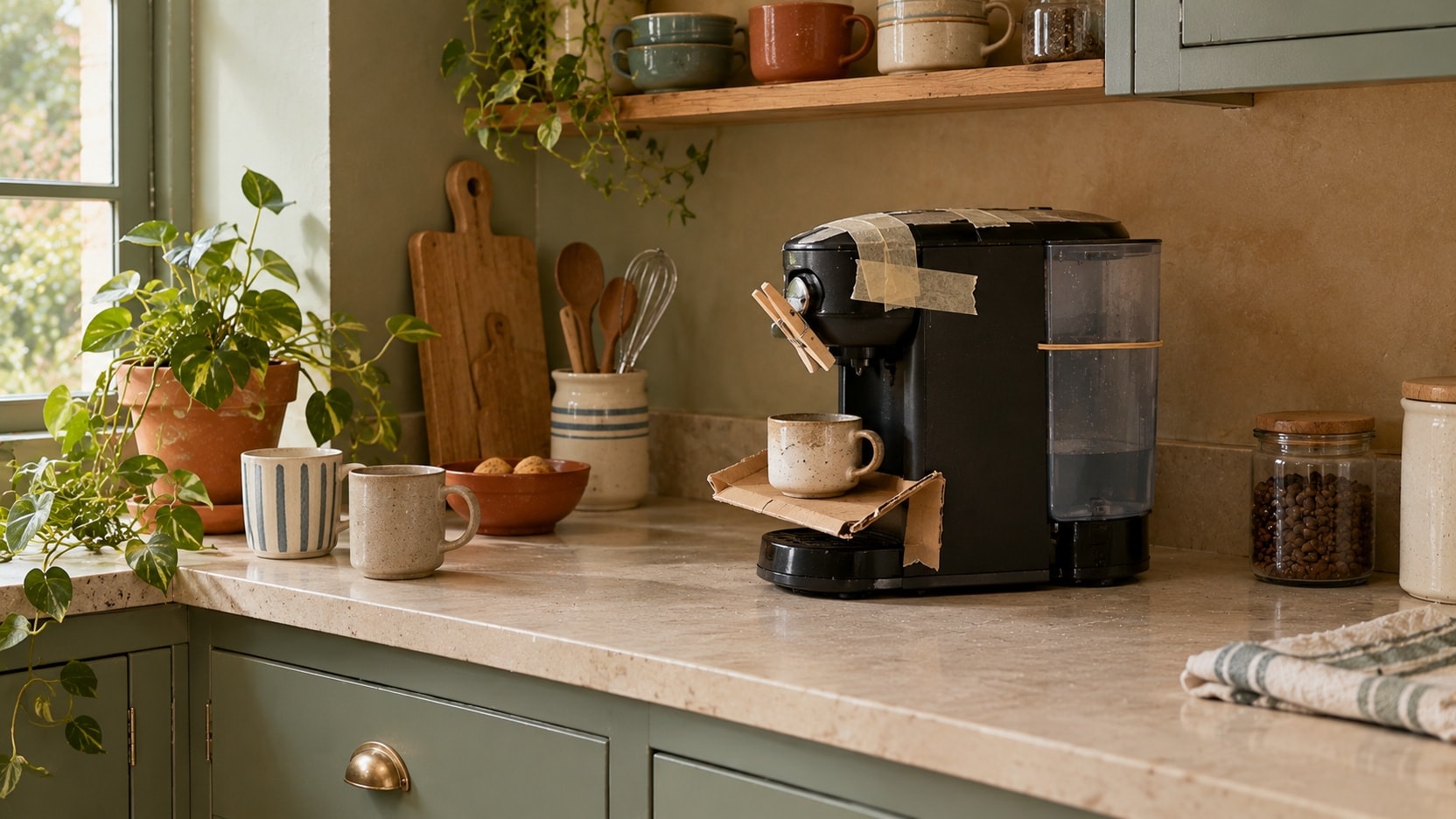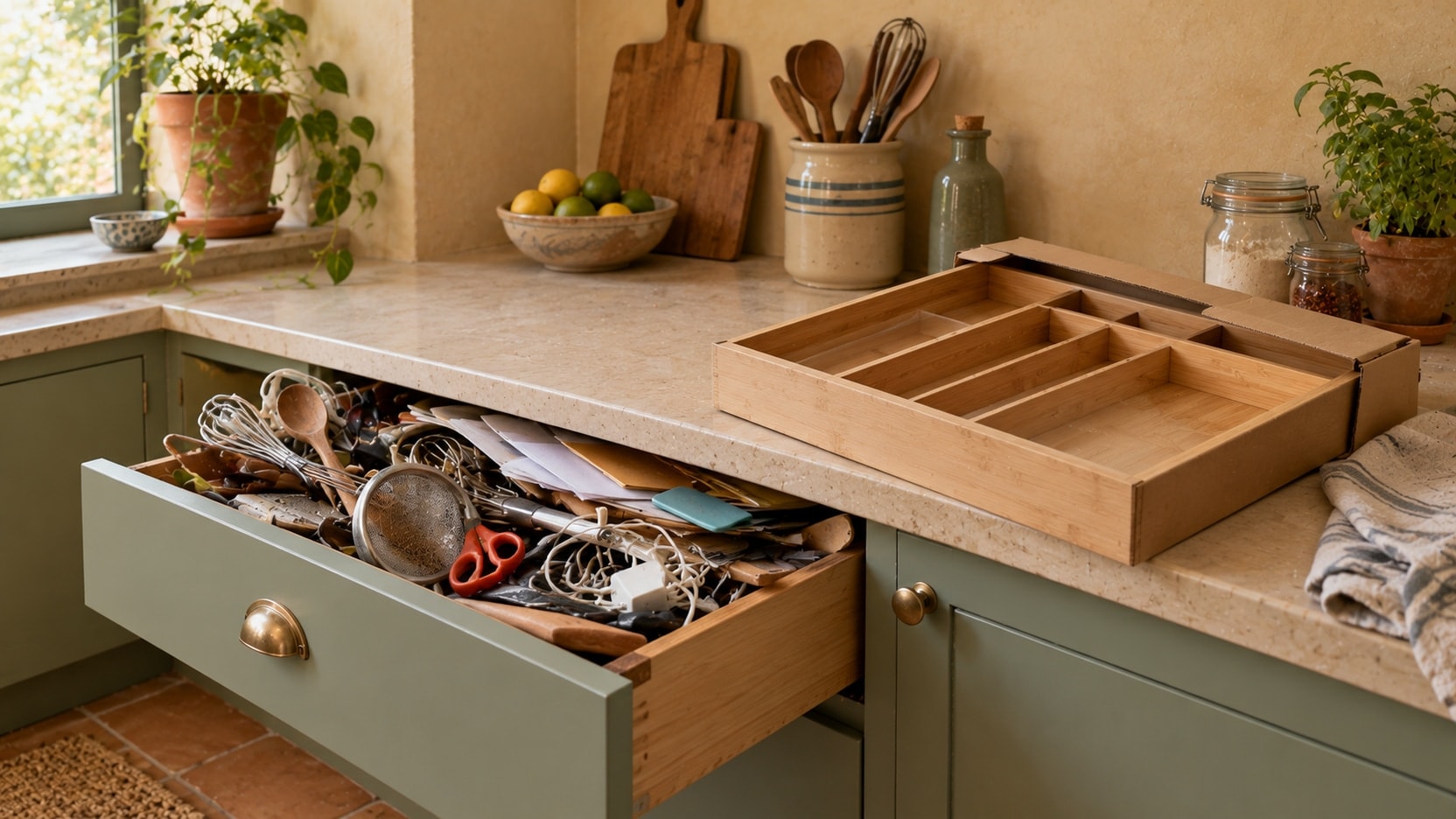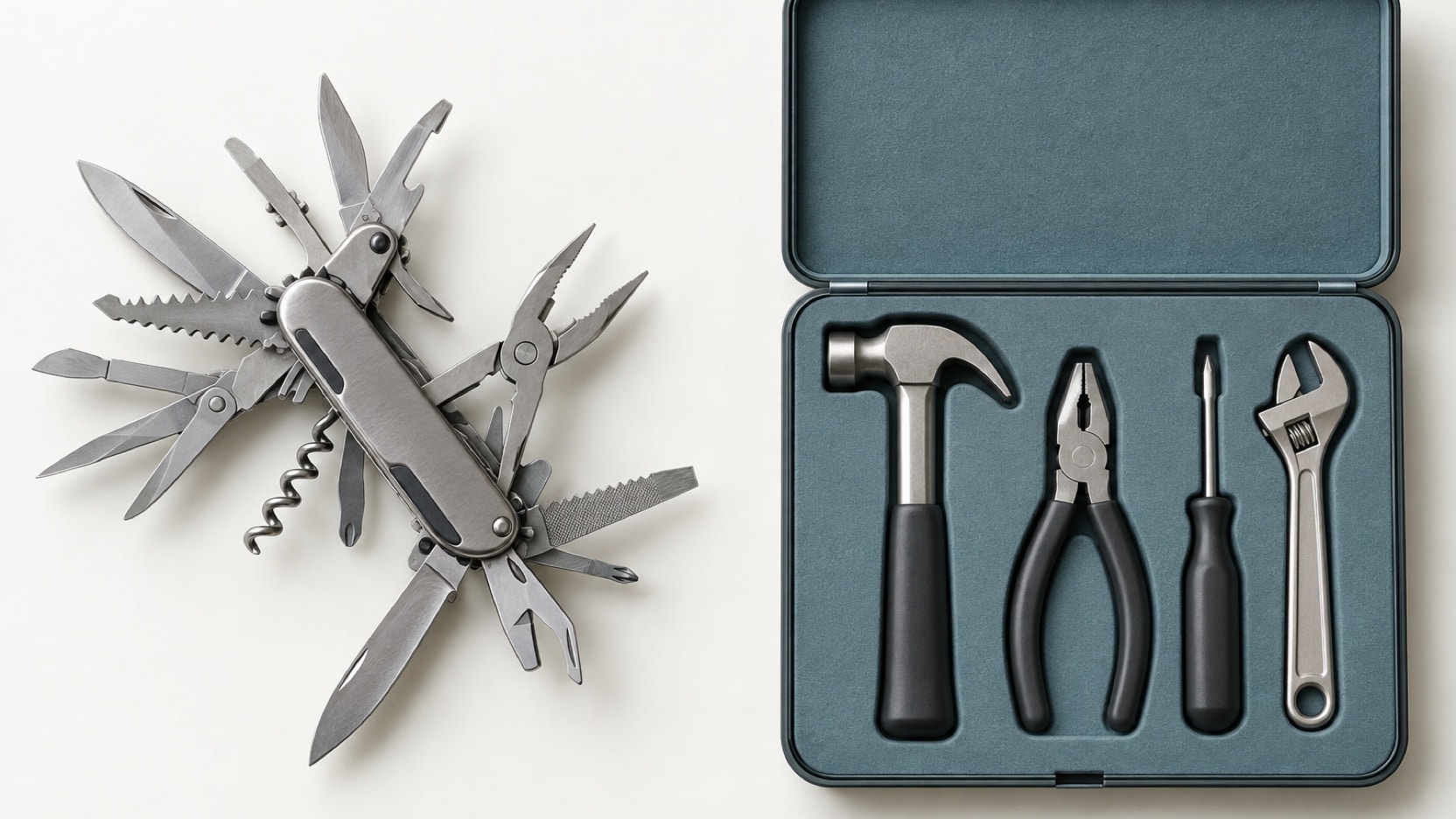
As typical market estimates for 2026, a small tool for one process costs about €2,000 to €8,000 with a freelancer and about €8,000 to €25,000 with a studio or agency. A larger system with several teams, client logins or many integrations costs about €15,000 to €50,000, and more for complex cases. After launch, plan a small yearly budget for hosting, upkeep and changes. The best way to control the price is a small first version.
Small businesses often ask what custom software costs, and get answers that range from a few thousand euros to six figures. Both answers can be honest, because "custom software" covers very different projects. This article sorts them out: the types of software small businesses usually buy, what drives the price, typical market ranges, what you pay after launch, and how to keep the first version small. All figures are market estimates, not our price list.
What kinds of custom software do small businesses buy?
Most projects fall into one of five kinds. Knowing which one you need is the first step to a fair budget.
- Internal tool. Software your team uses to run one process: planning jobs, tracking stock, handling requests. Often it replaces a spreadsheet that grew too large.
- Client portal. A private space where your clients log in to see their files, orders, invoices or project status. See client portal: build or buy.
- Dashboard. One screen with your key numbers, pulled from the tools you already use.
- Booking or order system. Clients book a slot or place an order, and your team sees and handles it. Often with payments.
- CRM. A system to follow clients, leads and deals, built around how you sell.
Some projects combine two or three of these. That is fine, but each part adds to the price, so it helps to name them one by one.
What drives the cost of custom software?
Whatever the kind, the same few points decide most of the price.
- Who uses it. Software for your own team can be simpler. Software your clients use needs more care: a clear design, a smooth sign-up, help when things go wrong, and stronger security.
- Roles and permissions. The rules that say who may see and change what. One role is simple. Five roles with different rights take longer to build and test.
- The number of steps in the process. A form and a list is small. A process with approvals, statuses, reminders and exceptions is larger.
- Integrations. Links to your accounting software, email, calendar, payment provider or website. Each one has to be built and kept working.
- Your existing data. Moving years of spreadsheets or an old system into the new software means cleaning and checking. It is often underestimated.
- Payments. Taking money online adds work: failed payments, refunds, invoices and receipts.
The size of your company does not set the price. A ten-person firm with a complex process can need more software than a fifty-person firm with a simple one. What counts is the process the software must follow, and how many people and tools it touches.
How much does custom software cost in 2026?
The ranges below are typical market ranges, given as estimates. A real quote depends on your process and your scope.
- Ready-made software, set up by you: a monthly fee plus your time (estimate). For standard needs, this is the cheapest start.
- Small tool for one process: about €2,000 to €8,000 with a freelancer, about €8,000 to €25,000 with a studio or agency (estimate). One team, a few screens, one or two integrations. A focused dashboard or a simple internal tool sits here. See what a custom dashboard costs.
- Business system: about €15,000 to €50,000 with a studio or agency (estimate). Several teams or client logins, roles, several integrations, a data import. A client portal or a CRM with integrations usually sits here. Our guide on what a custom CRM costs gives the detail for CRMs.
- Complex system: €50,000 and up (estimate). Many teams, many integrations, payments, strict rules. At this size it is a full product.
Freelancers usually sit lower than studios and agencies for the same scope, but you depend on one person for the build and the upkeep.
Where we sit. Swipe Up is a small studio, not a large agency. Our prices are closer to the freelancer range than to the agency range, and you still get design, build and upkeep from one team.
What do you pay after launch?
Software is never really finished. Plan for these costs every year.
- Hosting and services. The servers, the database, email sending and file storage. For a small business tool, this is usually a modest monthly amount. Keep the accounts in your name.
- Upkeep and security. Updates, backups, monitoring, and fixes when a connected tool changes. A care plan with a fixed monthly fee usually covers this.
- Changes. Once people use the software, they ask for new things. Keep a budget for the most useful ones.
There is usually no licence fee per user, so the cost does not grow each time you hire. Ask every builder for the yearly running cost before you sign, and make sure the code is yours.
How do you keep the first version small?
The first version decides most of the budget. A small first version is cheaper, ready sooner and easier to change once you see how people use it.
- Start with one process. The one that costs your team the most hours today. Leave the others for later.
- Build the main path only. The normal case, from start to finish. Rare cases can stay manual at first.
- Keep your standard tools. Let the new software connect to your accounting or email tool instead of replacing it.
- Start with few roles. Two or three are enough for most small teams.
- Import only the data you need. Recent and active records first. The archive can follow.
Each item you move to a later version also gives you time to learn. After a few weeks of real use, your team will know which second feature matters most, and it is often not the one you planned at the start.
The cheapest feature is the one you add after people asked for it.
How does AI in the build process lower the cost?
Builders now use AI tools in their own work, and this does change the price of custom software. AI is good at the parts that are similar in every project: standard screens, forms, data import scripts, first drafts of tests. Those parts used to take many hours. With AI they take fewer, and that saving can show up in the quote.
What AI does not replace is judgement. Someone still has to understand your process, design screens your team will use, decide how the data is organised, check the security and test the result with real cases. That is where most of the value is, and where a cheap project often goes wrong.
So AI does not make custom software free, and no honest builder can promise a fixed saving. It does mean that a small, well-defined tool is within reach of more small businesses than a few years ago. If you have built a first version yourself with an AI tool, it can also serve as a clear brief for the real build.
Custom or ready-made: how do you decide?
Custom software is not always the answer. If a ready-made tool covers your process with small compromises, it is usually cheaper and faster. Custom pays off when your process is what makes you different, when workarounds cost hours every week, or when your clients use the software themselves. We go through this decision in custom business tool or off-the-shelf software.
The bottom line
As market estimates, a small tool for one process costs about €2,000 to €8,000 with a freelancer and about €8,000 to €25,000 with a studio or agency. A business system with client logins or several integrations costs about €15,000 to €50,000, and complex systems more. Add a yearly budget for hosting, upkeep and changes. Start with one process and a small first version, then grow it from real use.
To see how we work, read about our custom business software for small teams, and tell us which process costs you the most time today.