A custom dashboard is a smaller project than a full product. As typical market estimates for 2026, a focused dashboard costs about €2,000 to €8,000 with a freelancer and about €8,000 to €25,000 with a studio or agency. The price depends mostly on the number of data sources, how clean the data is, and who logs in.
The honest answer to this question is a range, not one number. Two dashboards that look the same on screen can differ a lot in price, because most of the work is behind the screen. This article explains what moves the price, gives typical market ranges and shows when a cheaper option is enough. All figures are market estimates, not our price list.
What is a custom dashboard?
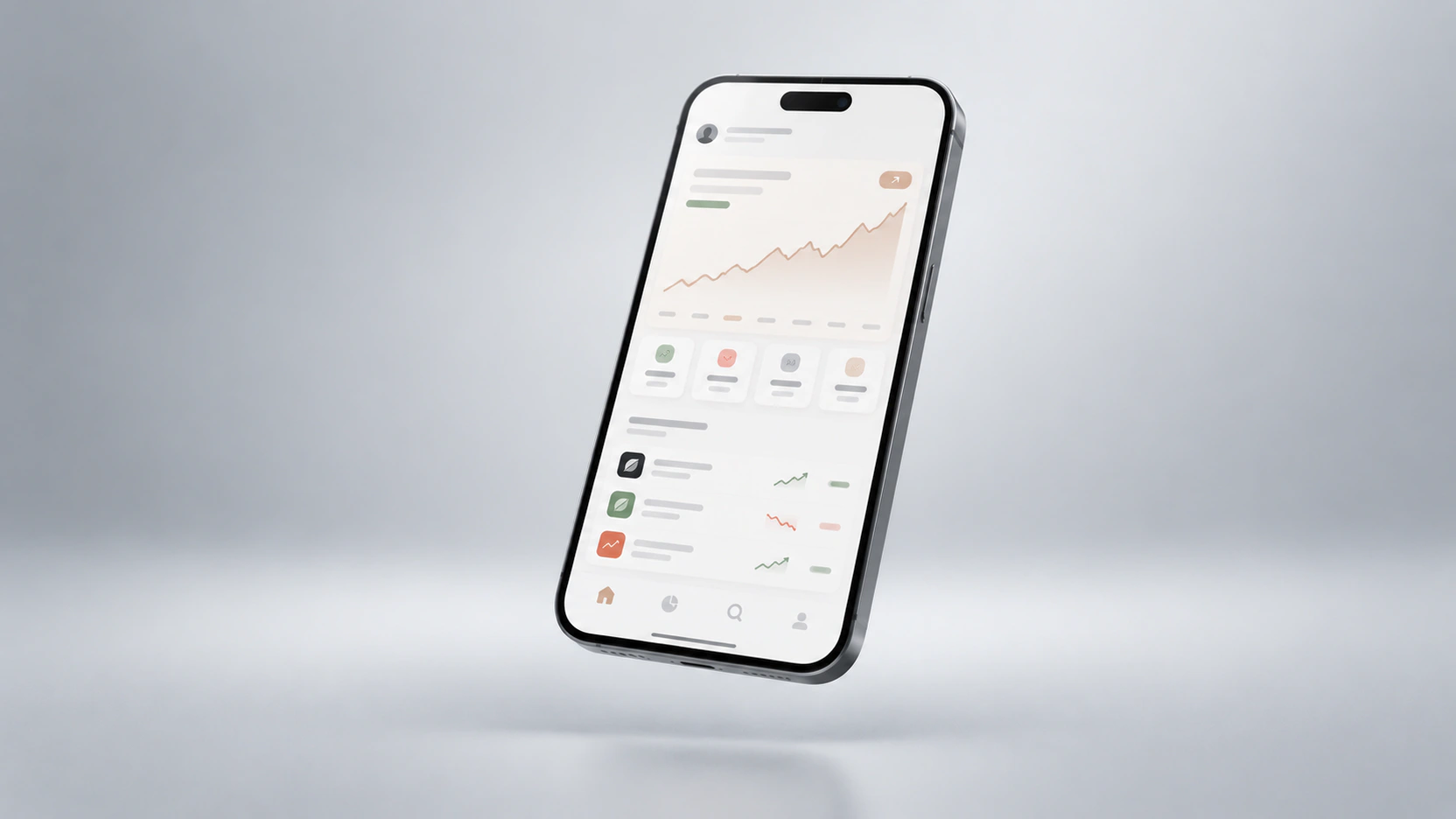
A dashboard is one screen that shows the key numbers of your business: sales, orders, stock, unpaid invoices, team workload. A custom dashboard is built for your business. It takes data from the tools you already use and shows it the way you need it, always up to date.
The goal is simple: decisions stop waiting for a report that someone builds by hand every week.
What drives the price of a dashboard?
Six things explain most of the difference between a small quote and a large one.
- The number of data sources. One source, for example your invoicing tool, is simple. Five sources that must agree with each other are much more work. Each connection has to be built and tested.
- How clean the data is. If the same client is written three ways in three tools, someone must clean and match the data first. This is often the largest hidden cost.
- Real time or daily. Numbers that refresh once a night are simple. Numbers that change live on screen need more work. Many teams only need daily numbers.
- Who logs in, and with which roles. A dashboard for two managers is simple. If each team or each client must see only its own numbers, you need logins, roles and permissions.
- The design level. Standard charts are fast to build. A screen designed with care and tested with the people who use it costs more, and it gets used more.
- Upkeep. The tools you connect to change over time. After launch, the dashboard must be updated, monitored and kept secure.
How much does a custom dashboard cost in 2026?
The ranges below are typical market ranges, given as estimates. They are not this studio's price list, and a real quote depends on your data and your scope. They follow the market ranges for a full MVP (a first version of a product): €3,000 to €15,000 with a freelancer, €15,000 to €50,000 and up with a studio or agency. A focused dashboard is a smaller project, so it usually sits lower.
- Ready-made reporting tool, set up by you: about €0 to €2,000 (estimate). Mostly the fees of the tool plus your own time.
- Freelancer, focused dashboard: about €2,000 to €8,000 (estimate). One or two data sources, standard charts, a simple login. Good value when the scope is clear, but you depend on one person.
- Studio or agency, focused dashboard: about €8,000 to €25,000 (estimate). Several sources, data cleaning, roles, a design tested with your team and a plan for upkeep.
- Large dashboard: about €25,000 to €50,000 and up (estimate). Many sources, real-time data, client logins. At this size it is close to a full product. See what an MVP costs in 2026.
Where we sit. Swipe Up is a small studio, not a large agency. Our prices are closer to the freelancer range than to the agency range, and you still get design, build and upkeep from one team.
On screen, a dashboard is a few charts. Most of the cost is in the data behind them.
How long does it take to build?
A focused dashboard takes weeks, not months. A large one, with many sources and client logins, takes longer.
Two things slow a project down more than the build itself. The first is access: getting the logins and permissions for each data source. The second is definitions. What counts as a sale: the order, the invoice or the payment? Agree on these answers early and the project moves faster.
What does a dashboard cost after launch?
A dashboard is not finished on the day it goes live. Plan for three kinds of cost.
- Hosting and services. The accounts the dashboard runs on. They should be in your name.
- Updates and security. Like any software, it needs regular care. A care plan usually covers this.
- Changes. New questions bring new charts. Keep a small budget for them.
Ask for the cost per year before you sign. With a custom dashboard there is no licence fee per user, so the cost does not go up each time someone new logs in.
Is a ready-made reporting tool enough?
Often, yes. Ready-made reporting tools connect to common business software and let you build charts yourself. Try one first when:
- Your data lives in one or two well-known tools. The connection probably exists already.
- Your data is clean. The same names and the same categories everywhere.
- Only a few people inside the company look at it. No clients, no complex roles.
- Daily numbers are enough. You do not need live data.
A ready-made tool stops being enough when it cannot connect to one of your sources, when the data needs heavy cleaning, when clients must log in, or when the fee per viewer grows with your team. We compare both paths in custom business tool or off-the-shelf software.
How can you keep the price down?
- Start with the five numbers that matter most. Not fifty charts.
- Start with one or two sources. Add the others later.
- Accept daily data first. Move to real time only where it changes a decision.
- Clean the data at the source. Fix names and categories in your tools before the build.
- Keep roles simple. Two or three roles are enough for most teams.
The bottom line
A custom dashboard costs less than a full product. As market estimates, plan for about €2,000 to €8,000 with a freelancer and about €8,000 to €25,000 with a studio or agency for a focused dashboard, and more for many sources, real-time data or client logins. If your data is clean and sits in one or two common tools, try a ready-made reporting tool first.
To know where your project sits, see how we design and build custom dashboards and business tools. And if your numbers still live in one large file, read when a spreadsheet stops being enough.